

Global Wildlife Conservation Wins, Breakthroughs, and Challenges - 2026
The year 2026 has been a remarkable one for the natural world. From species bouncing back from the brink of extinction to groundbreaking legal protections for animals, the global conservation community has witnessed both inspiring victories and sobering reminders of what is at stake.
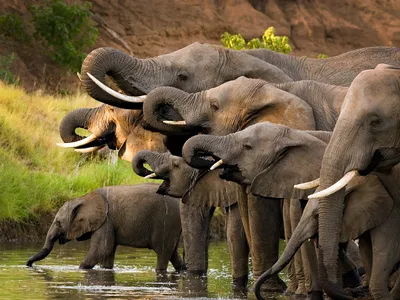
Global wildlife conservation efforts continue to show promising results worldwide.
Sea Turtles Make a Historic Comeback
One of the most celebrated conservation stories of 2026 is the remarkable recovery of sea turtles worldwide. According to the National Oceanic and Atmospheric Administration (NOAA), most sea turtle species are now rebounding as a direct result of decades of dedicated conservation efforts.
Green turtles, in particular, have made an extraordinary recovery. Once hunted to near-extinction for their eggs, green turtle populations have risen significantly since the 1970s. The IUCN downgraded their status from Endangered to Least Concern in its 2025 Red List update.
"When I think of sea turtles, the first word that comes to mind is resilience. Give them a chance to thrive and they will take advantage of it." - Jeffrey Seminoff, NOAA
North Atlantic Right Whales: Record-Breaking Calving
The critically endangered North Atlantic right whale experienced its best calving season in over 15 years. During the 2025–2026 season, 23 calves were born -the highest number recorded since 2009. Approximately 500 sightings of 129 individual whales were documented in the Southeast United States.
This encouraging trend suggests improving reproductive health, though the species remains threatened by ship strikes and fishing gear entanglements.
Over 40 Species Granted International Protection
At CMS COP15, representatives from 132 countries and the European Union voted to list over 40 species for international protection. Newly protected species include the striped hyena, cheetah, giant otter, great hammerhead shark, snowy owl, and Hudsonian godwit.
Countries party to the CMS are now legally obliged to protect these species from extinction, restore their habitats, and prevent obstacles to migration.
Przewalski's Horses Return to Central Asia
After being driven to near-extinction in the 1960s, wild Przewalski's horses have returned to Central Asia. Zoos participated in reintroducing these horses to their native Kazakhstan and Mongolia - a powerful example of how captive breeding programs can reverse extinction.
The Przewalski's horse is the last truly wild horse species in the world, making its recovery especially significant.
Coho Salmon Return to California's Russian River
More than 30,000 adult coho salmon migrated to the Mendocino Coast rivers during the 2024–2025 spawning season - double the previous record. After decades of absence, this surge signals that ecosystem recovery is possible when habitat restoration is prioritized.
Colorado Builds North America's Largest Wildlife Overpass
Colorado completed construction on North America's largest wildlife overpass, spanning six lanes of I-25 traffic near Larkspur. The structure allows elk, pronghorn, mule deer, black bears, mountain lions, and other species to safely cross between habitats.
The overpass is expected to reduce animal-vehicle collisions by up to 90%, setting a powerful precedent for wildlife-friendly infrastructure.
Peruvian Bees: First Insects Granted Legal Rights
In a groundbreaking legal milestone, bees from the Peruvian Amazon became the first insects in the world to be granted legal rights. The stingless bee - the oldest bee species on Earth - pollinates more than 80% of Amazonian plants.
Across two regions in Peru, stingless bees are now recognized as legal subjects with the right to exist, thrive, and be protected from harm - setting a bold precedent that the law can protect all life.
Yangtze River Fishing Ban Reverses 70 Years of Decline
China's 10-year fishing ban on the Yangtze River has halted seven decades of decline and triggered an initial recovery of aquatic biodiversity. A study by the Chinese Academy of Sciences confirmed that large-scale, long-term conservation measures can reverse deeply entrenched ecological damage.
Giant Tortoises Return to Galápagos After 180 Years
Hainan Gibbon Bounces Back from Near-Extinction
Legislative Wins for Animal Welfare
Trail Hunting Banned
The UK pledged to ban trail hunting in England and Wales, closing a loophole used for illegal fox hunting since 2004.
Virginia Protects Exotic Mammals
Landmark legislation prohibits separating captive exotic mammals from mothers before 4 months and bans wild mammal hybridization.
Helsinki Halves Meat & Dairy
The city voted to halve meat and dairy consumption in public institutions by 2030, replacing them with plant-based alternatives.
Netherlands Bans Fireworks
As of January 2026, public fireworks sales are banned nationwide — a major step to protect animals from fear and injury.
Challenges That Remain
Despite these victories, significant challenges persist. The Trump administration rolled back two key Endangered Species Act regulations, eliminating protections for threatened species and essential habitat. Conservation groups have announced plans to sue.
The IUCN Red List also highlights alarming trends, including widespread wetland loss driving dragonfly declines worldwide and the critical endangerment of deep-sea molluscs from hydrothermal vents.
Conclusion: A Year of Hope and Action
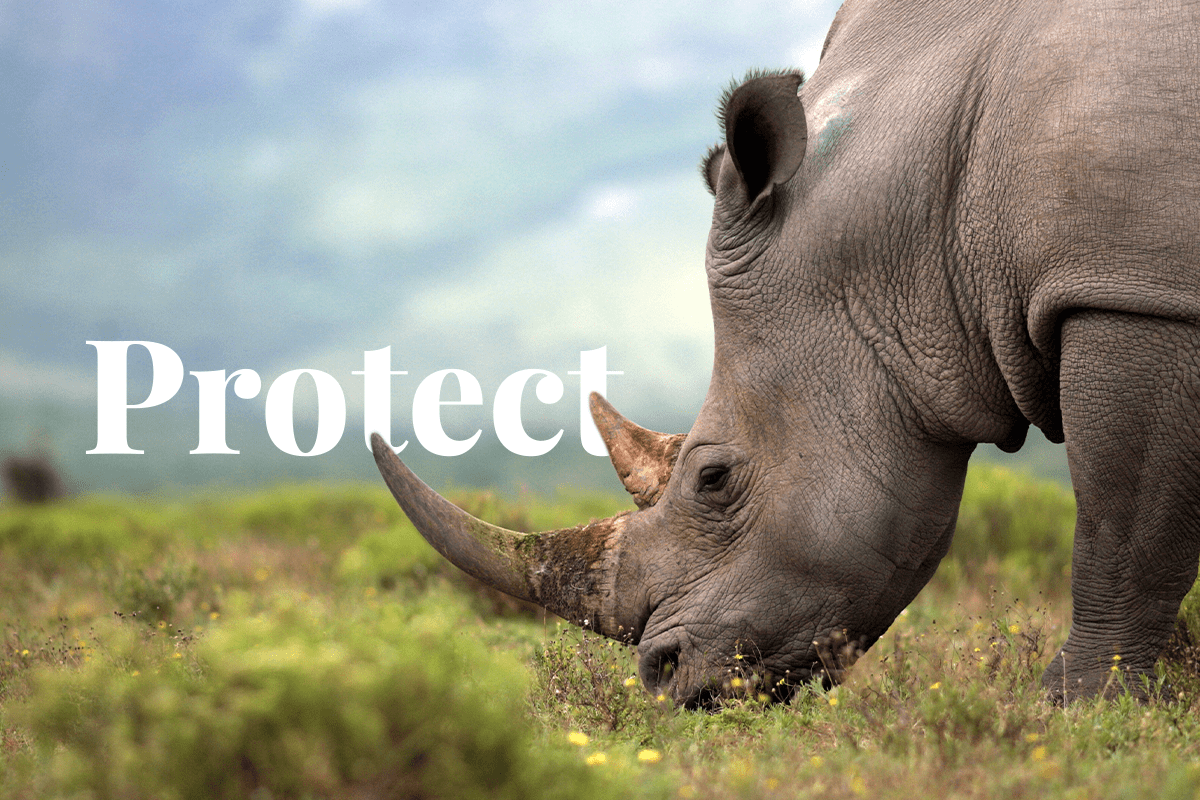
The stories of 2026 remind us that conservation works - but only when we commit to it. From sea turtles and right whales to bees and wild horses, the natural world is responding to human efforts to protect and restore it. Yet these successes are fragile, and the threats facing biodiversity remain immense.
When governments, scientists, Indigenous communities, and everyday citizens work together, nature can bounce back. The question is not whether we can save these species - it is whether we will choose to.
Explore. Discover. Protect.
Thank you for reading TOOOPIC.
Sources & References
NOAA Fisheries • ABC News • Defenders of Wildlife • Protego Foundation • Earthling Ed • Earth.org • IUCN Red List • Fauna & Flora International • Science Advances • Chinese Academy of Sciences


0 Comments